
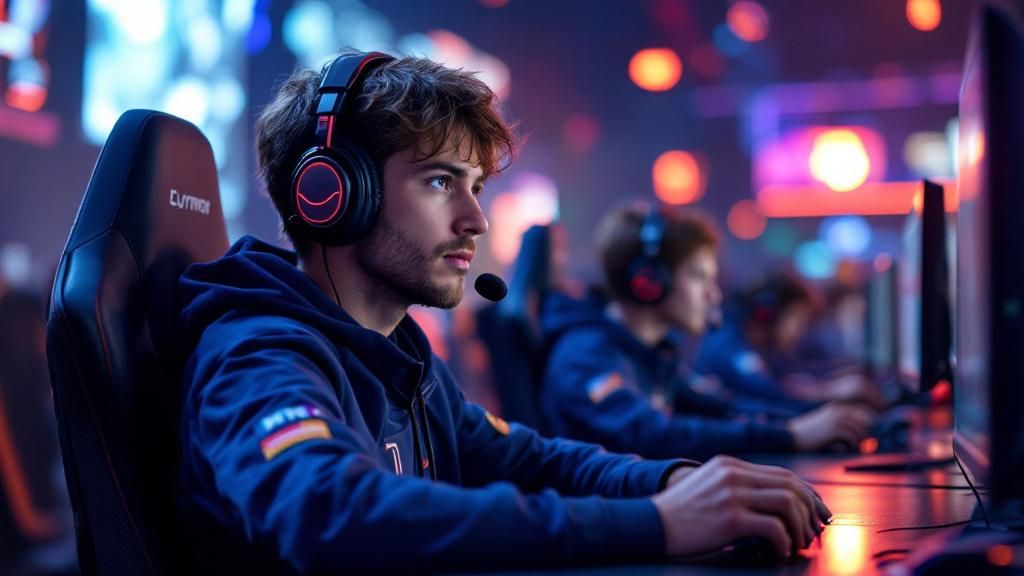
The esports industry has made considerable progress in emphasising competitor wellbeing. Prominent event operators have together launched a detailed player protection standards framework, addressing longstanding concerns about mental wellbeing, labour conditions, and just treatment within professional gaming. This groundbreaking development marks a pivotal moment for esports legitimacy, creating minimum standards that could transform how the industry operates. We explore the framework’s key provisions, the entities leading this transformation, and what it means for players and the competitive gaming landscape in the future.
Sector-Wide Dedication to Responsible Gaming
The joint initiative between prominent esports bodies marks a watershed moment for player protection within competitive gaming. This cohesive approach demonstrates the market’s authentic resolve to developing enduring guidelines that prioritise competitor wellbeing alongside sporting achievement. By combining knowledge and capabilities, these organisations have developed detailed frameworks addressing physical condition, mental wellness, and professional security. The scheme shows growing recognition that player welfare directly influences output standards and career longevity, making it crucial for the sector’s reputation and development.
Tournament operators have recognised that previous standards were disjointed and variable, leaving players vulnerable to exploitation and burnout. The revised structure establishes consistent standards throughout leading tournaments, guaranteeing all professional athletes obtains equal support and access to essential support services. This coordinated approach eliminates competitive disadvantages resulting from differing safeguards and creates equal opportunities. Industry figures stress that these standards form essential foundations, urging bodies to go beyond minimum standards and build authentically nurturing spaces where athletes can flourish both professionally and personally.
Key Aspects of the Welfare Provision
The newly formed welfare framework includes several interconnected pillars created to protect player interests comprehensively. These provisions address psychological wellbeing support, physical health, equitable employment terms, and clear dispute handling processes. By bringing these provisions together, tournament organisers strive to establish an integrated system that treats esports athletes as competitive professionals entitled to strong safeguards. The framework establishes minimum standards that all affiliated tournaments are required to adopt, providing consistent player safeguards across the esports competitive sector.
Mental Health Support Services
Understanding the emotional demands present within competitive esports, the framework stipulates availability of mental health specialists for all competing players. Tournament organisers are required to provide confidential therapy services, via direct provision or partnerships with accredited mental health professionals. These services encompass stress management, performance anxiety support, and emergency intervention services. Players gain access to qualified psychologists who understand esports-specific challenges, such as online harassment, severe competitive pressure, and uncertain career prospects.
The framework additionally stipulates tournaments to establish mental wellbeing education initiatives and stigma-reduction efforts across the community. Organisers need to inform players, coaches, and staff about identifying mental health concerns and utilising proper help. Regular check-ins and wellbeing tracking mechanisms help spot struggling players early, allowing early action before situations escalate into serious psychological crises.
Physical Wellness Requirements
Tournament operators must implement thorough health and safety standards covering ergonomics, break times, and clinical supervision. The framework mandates proper seating, display positioning, and rest periods to prevent RSI common among esports professionals. Clinical personnel must be present at large-scale competitions to handle acute health issues, whilst organisers are mandated to provide information about injury prevention and suitable medical facilities for long-term player development.
Environmental conditions at tournament facilities are now covered under strict guidelines maintaining player wellbeing and safety. Regulations encompass temperature control, lighting standards, and noise levels to deliver optimal competitive conditions. Additionally, the framework promotes players to complete periodic health checks and delivers guidance on nutrition, sleep hygiene, and exercise routines vital to sustained professional performance in esports.
- Workplace gear evaluations performed by qualified specialists
- Mandatory rest periods during competitions reducing athlete fatigue
- Medical personnel on location available during all competitive events
- Injury reduction training and recovery programme access
- Health monitoring programmes tracking player wellbeing across the year
Rollout Schedule and Requirements
The framework will be implemented in three different phases, commencing immediately with foundational reviews across involved stakeholders. Tournament operators have agreed to completing baseline audits of their current practices by the end of the first quarter, highlighting discrepancies between present frameworks and the revised guidelines. This foundational phase ensures a comprehensive assessment of each organisation’s baseline position before introducing significant modifications. Later stages will encompass employee development, procedural revisions, and the implementation of external compliance frameworks to secure conformity and responsibility throughout the competitive gaming sector.
The standards themselves include mandatory provisions covering mental health support, sensible practice arrangements, and clear prize allocation procedures. Each organisation is required to appoint a dedicated player welfare officer tasked with handling grievances and upholding guidelines. Regular audits, conducted by third-party bodies, will confirm adherence and highlight zones for development. These extensive protections set defined targets for player protection, with regulatory tools including financial penalties and prospective event bans for organisations unable to meet required standards.
Sector Response and Future Perspective
The initiative has attracted considerable endorsement from participants throughout the professional esports landscape. Professional player groups have commended the structure as a essential move towards professionalising the sector, whilst franchise operators and sponsors recognise the opportunity for improved legitimacy and long-term viability. Gaming equipment manufacturers and streaming platforms have committed to integrate welfare considerations into their business practices, demonstrating a shared dedication to systemic change. Preliminary evidence indicate that governing authorities and public sector leaders view the standards with approval, potentially paving the way for legislative recognition of esports as a recognised professional industry.
Looking ahead, sector analysts anticipate that this framework will serve as a blueprint for global adoption, with regional tournaments and smaller competitions set to implement similar guidelines. The initiative is likely to inspire ongoing discussion regarding player compensation, professional progression routes, and mental health resources. As esports continues its meteoric growth, these player protections represent a crucial safeguard ensuring that competitive gaming stays sustainable, inclusive, and respectful for all participants, in turn reinforcing the industry’s position as a legitimate competitive sector.
